
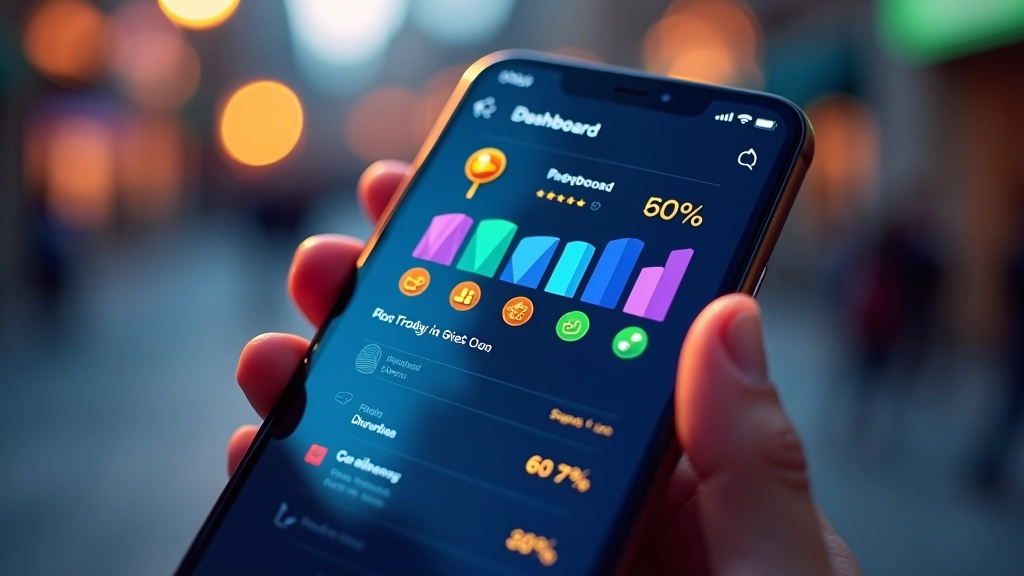


Understanding the Free-to-Play Economy
Free-to-play games don’t make money from everyone. They make money from a small percentage of engaged players who choose to spend, while the rest enjoy the game completely free. That’s the core insight that changes everything about how you design progression and monetization.
The players who come back regularly — the ones who log in multiple times a week for months — they’re the ones worth understanding. They’re not necessarily the whales spending thousands. They’re just… engaged. And that engagement happens because the game respects their time and gives them genuine reasons to return.
The Three Types of Players
- Casual players — log in occasionally, rarely spend, but they keep the ecosystem alive by creating content and community
- Regular players — consistent engagement, occasional small purchases, they’re your core retention focus
- Invested players — deep engagement, regular spending, they drive revenue but are rare without proper progression systems
Progressive Rewards That Actually Work
Here’s what keeps players coming back: visible progress. Not abstract numbers on a screen, but real, tangible advancement they can see happening.
A well-designed progression system shows players exactly where they are and where they’re going. You unlock new abilities at level 15, cosmetics at 25, and special items at 50. Each milestone feels earned, not gated behind a paywall. The player who plays three times a week for four weeks has genuinely progressed further than the player who spent $20 once.
That’s the secret. The paying players don’t feel punished — they just progress faster or access cosmetics sooner. But the free player still sees consistent forward movement. That movement is the dopamine hit that brings them back tomorrow.

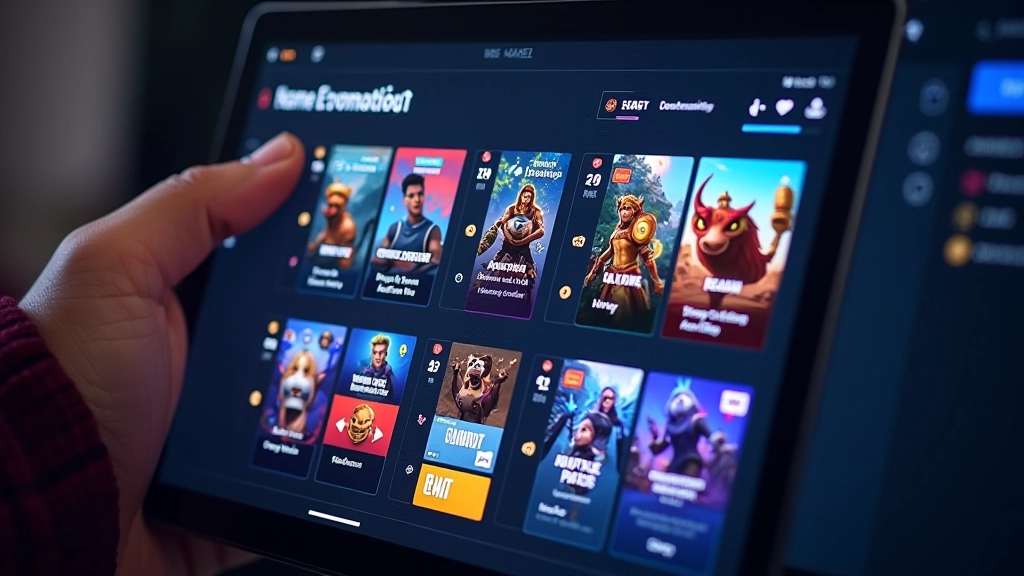
Seasonal Content That Creates Urgency (Without Pressure)
Seasonal content works because it creates natural rhythm. Every 8-12 weeks, something changes. New cosmetics arrive, limited-time challenges appear, and the meta shifts slightly. Players know they can’t just ignore the game for three months and jump back in unchanged.
But here’s the important part — and this is where most games fail — the seasonal content should never make a returning player feel completely left behind. Yes, they missed some exclusive rewards. But they can still compete, progress, and enjoy the game. The exclusivity is the carrot, not the barrier.
A good seasonal model shows the calendar 6-12 months ahead. Players see what’s coming. They can plan their playtime around events they actually care about. They’re not surprised or frustrated — they’re anticipating.
Building Daily Engagement Loops
The reason players log in tomorrow isn’t because of big annual events. It’s because of what happens every single day. Daily quests, login rewards, seasonal progression that ticks forward with each match played.
01
Daily Objectives
3-5 simple daily quests that take 20-30 minutes to complete. Not grindy. Not mandatory for progression. Just… there. A player logs in, sees them, and has a natural reason to play.
02
Login Streaks
Consecutive daily logins unlock better rewards. Day 1 is fine. Day 7 is noticeably better. Day 30 is really good. Players don’t want to break the streak, so they log in even on busy days.
03
Seasonal Progress
Each game or activity completed earns progress toward seasonal rewards. Not a huge amount per match, but consistent. Players see the meter moving and feel advancement happening.
04
FOMO Without Toxicity
Limited-time cosmetics and rewards create urgency. But they’re never mechanically powerful. You can’t buy power. You can buy style, status, and exclusivity. That’s the difference between retention and resentment.
The Math Behind Engagement
A player who logs in 4 times per week for 3 months is worth significantly more to a game than a player who spends $50 once. Why? Because consistent players invite friends, create content, participate in the community, and eventually spend money themselves.
The goal isn’t to extract maximum revenue immediately. It’s to build an audience that becomes revenue over time. That shift in perspective changes everything about how you design progression and monetization.
Games like Fortnite, Valorant, and Helldivers 2 succeeded because they understood this. They made the free experience compelling enough to keep playing, then offered cosmetics and battle passes for players who wanted to invest more. The progression was free for everyone.


Monetization That Respects Players
The best free-to-play games separate cosmetics from gameplay completely. You can’t buy better stats. You can’t buy faster progression. You can’t buy power.
What you CAN buy: Battle passes that unlock cosmetics and cosmetic rewards faster, premium cosmetics that don’t affect gameplay, and convenience features like extra inventory slots or faster queue times.
The free player can unlock 80% of cosmetics through gameplay. The paying player unlocks them faster and gets exclusive options. Both feel rewarded. Neither feels cheated.
That’s the model that actually keeps players coming back. Not because they’re spending money, but because they feel respected. The game wants their engagement more than their wallet.
The Real Win Condition
Players coming back repeatedly isn’t an accident. It’s the result of deliberate system design that shows respect for their time and attention. Progressive rewards that feel earned. Seasonal content that creates natural rhythm. Daily loops that make logging in feel worthwhile. And monetization that never forces spending on players who just want to play.
The free-to-play games winning right now aren’t the ones with the most aggressive monetization. They’re the ones where players feel like they’re progressing meaningfully, competing fairly, and having genuine fun — whether they spend a dollar or nothing at all. That’s not accidental generosity. That’s smart game design that understands retention creates revenue.
Disclaimer
This article provides educational information about free-to-play game monetization strategies and player engagement systems. The concepts and examples discussed are for informational purposes to help understand common industry practices. Individual game results vary based on many factors including target audience, platform, genre, and market conditions. Implementing these strategies requires careful consideration of your specific game, player base, and business goals. Consult with experienced monetization specialists and conduct thorough testing before implementing major system changes.