

Free-to-Play Models That Keep Players Coming Back
How progressive reward systems and seasonal content create ongoing engagement without forcing payments.
Why cosmetics work when done right. The difference between cosmetics players love and cosmetics that feel like pay-to-win.


Here’s the thing about cosmetics: they’re the closest thing to a guilt-free monetization model in gaming. Players who buy them feel like they’re supporting the game they love. But there’s a catch. Get the balance wrong and suddenly your cosmetics shop feels like you’re forcing players to spend money just to look decent.
The best cosmetics systems work because they respect a fundamental principle. You’re selling appearance, not power. A player in a $15 skin performs exactly the same as a player in the free starter outfit. That’s what makes cosmetics different from pay-to-win mechanics that make players genuinely angry.
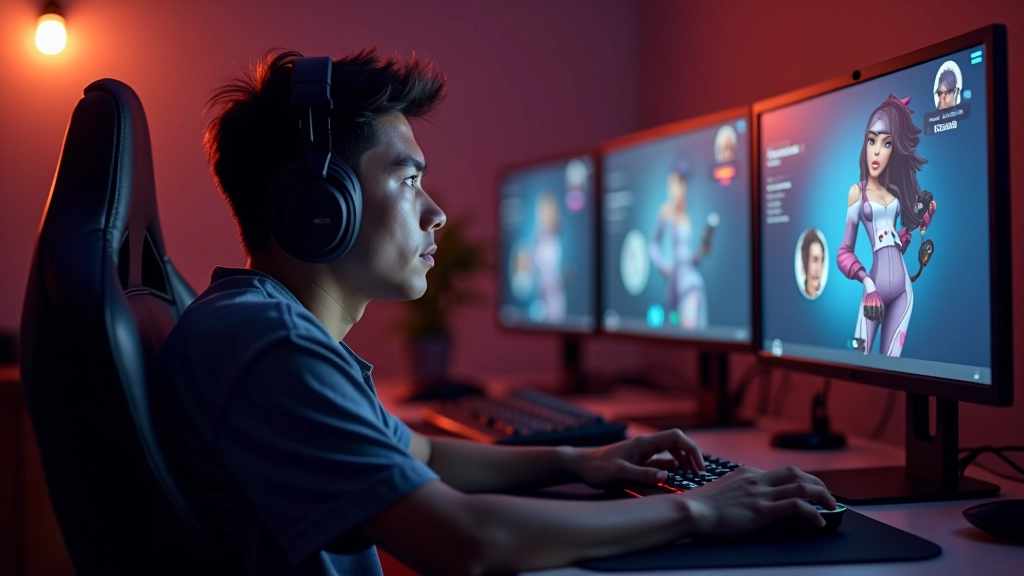

Cosmetics succeed when they hit three requirements. First, they need to be visible. If players can’t show off what they’ve bought, why spend? Second, they need scarcity or exclusivity. Limited-time cosmetics create urgency without being predatory. Third, they need quality. A poorly designed skin that looks worse than the free option kills your cosmetics revenue faster than anything else.
Most successful games use a tiered approach. You’ve got your entry-level cosmetics (the $2-3 skins), your mid-tier offerings (the $5-8 items that players actually love), and your premium cosmetics ($15+). Don’t expect everyone to buy. But players who do spend tend to come back because they’ve already invested emotionally in how their character looks.
The difference between cosmetics that generate revenue and cosmetics that sit unsold comes down to design. Players won’t pay for something that looks like a lazy reskin. They’ll pay for cosmetics that feel fresh, that fit the game’s aesthetic, and that actually improve how their character looks.
Pro tip: Test cosmetics with your community before release. A cosmetic that looks great in concept art might feel underwhelming in-game. Getting feedback from actual players saves you from releasing skins nobody wants.
Seasonal cosmetics work particularly well because they create natural purchase windows. Players see a skin available for the next 30 days and make a decision. Some’ll pass. Others’ll jump at it because they know it won’t come back. This isn’t manipulation—it’s just how limited availability works. You’re not forcing anyone to buy.


This is where most teams stumble. You need to price cosmetics high enough to generate real revenue, but not so high that players feel like they’re being exploited. The sweet spot? Most successful games price cosmetics between $3 and $15, with occasional premium items reaching $20+.
What matters more than absolute price is perceived value. A $5 cosmetic that transforms how a character looks feels like a bargain. A $5 cosmetic that’s just a slightly different color? That feels overpriced. Players are actually pretty good at detecting when you’re padding prices. They’ll call it out, and the backlash can hurt your cosmetics revenue more than the initial sale would’ve helped.
Bundle pricing works differently. When you offer 3 cosmetics together at a discount, players perceive it as a better deal even though your margin might be the same or better. Bundling also encourages larger purchases because the per-item cost looks lower.
Here’s what separates cosmetics from other monetization models: they create investment. A player who’s dropped $15 on a cosmetic they love is more likely to come back. They want to show off that skin. They want to use what they’ve bought. This creates a loop where cosmetics spending correlates with higher retention.
But it’s not automatic. You need to keep releasing cosmetics that are worth buying. If your shop feels stale, if you’re just recoloring the same models every week, players’ll notice. They’ll stop spending because nothing new appeals to them. That’s why successful games maintain a consistent cosmetics release schedule. New skins every 2-4 weeks keeps the shop feeling fresh.

Cosmetics aren’t just a revenue stream. They’re a way to let players personalize their experience without compromising fairness. When you get it right, cosmetics feel like a win-win. Players get to express themselves. Your studio gets sustainable revenue. Nobody feels cheated.
The key is respecting the fundamental rule: cosmetics affect appearance only. No gameplay advantages, no stat boosts, no shortcuts to power. Keep that line clear, release cosmetics players actually want, and price them fairly. Do that consistently, and you’ve got a revenue model that’ll sustain your game for years.
This article is educational and informational only. It presents general principles about cosmetics-based monetization in games. Your specific implementation, pricing, design decisions, and business model should be tailored to your game, audience, and regional requirements. Market conditions, player preferences, and platform policies vary significantly. Always consult with your team and test strategies with your actual player base before full implementation.