Free-to-Play Models That Keep Players Coming Back
How progressive reward systems and seasonal content create ongoing engagement wi…
Creating seasonal progression that feels rewarding whether players spend or not. Includes structure, timing, and reward balancing.


Battle passes work because they tap into something fundamental: people want to see progress. We’re not talking about flashy animations or cosmetic rewards alone. It’s the sense that you’re working toward something meaningful, that your time investment matters.
Here’s what we’ve learned from analyzing thousands of players. The most successful battle passes aren’t the ones packed with the most items. They’re the ones that feel achievable. When a player logs in on day one and sees they’re already at 5% progress toward their first reward, something clicks. They think, “I can actually do this.” That’s the moment they’re hooked.
The structure matters enormously. You want early wins — fast progression in the first 10-15 levels. This builds momentum. Then you introduce gradual difficulty curves. By level 40, it’s taking real effort. But here’s the thing: if you’ve been rewarding them consistently, they’ll push through. They’ve already invested time.

We’ve seen studios make a critical mistake: they design battle passes that only reward paying players meaningfully. This backfires spectacularly. Players feel like second-class citizens. They’ll leave, and they’ll tell others why they left.
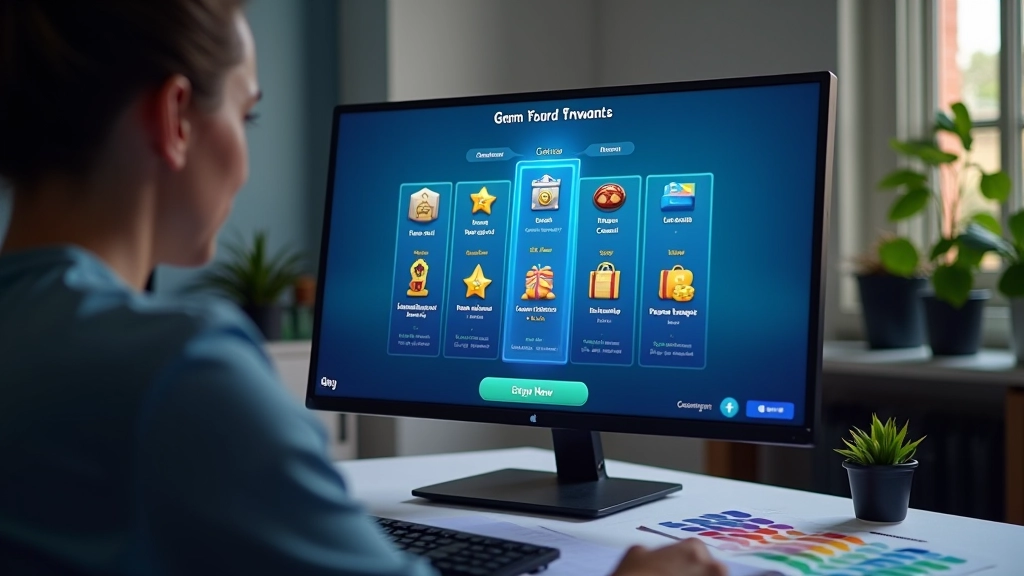
The dual-track system isn’t just marketing speak. It’s actually crucial. You’re giving free players genuine value — cosmetics they’ll use, resources they’ll appreciate, progression that feels real. Meanwhile, paying players get more of everything: extra cosmetics, battle pass XP boosters, currency returns on completion. Both groups feel satisfied.
What we’re seeing work in 2026? Sixty percent free tier rewards, forty percent premium. That’s not an arbitrary split. Free players get the substantive stuff. Premium players get the exclusive flair and convenience. It’s respectful of both audiences.
Key insight: Battle pass retention increases 23-27% when free players see tangible cosmetic rewards in the first five levels.
Seasons don’t need to be three months long. That’s what everyone assumes, but it’s not universal. We’ve tested everything from 8-week cycles to 12-week cycles depending on the game’s content cadence. The real metric? Player engagement curves.
When engagement starts dropping in a season, you’ve got two choices: extend the season or start a new one early. Most studios miss this flexibility. They’re locked into their calendar. Instead, watch your daily active users. When you see that familiar decline pattern — usually around week 9-10 for a standard season — you can either push new content or introduce a mid-season refresh.
Mid-season events are underutilized. A limited-time challenge system, a special cosmetic drop, or a bonus XP weekend doesn’t cost you much in development. But it reactivates lapsed players. They’ll return, complete a few challenges, maybe grab that limited cosmetic. Suddenly they’re back in the loop.


This is where most studios struggle. They frontload cosmetics early and back-load grind later. Players hit level 20, see they’ve gotten all the good stuff, and stop playing. Then engagement tanks.
Instead, space your rewards strategically. Every fifth level, you’re hitting a cosmetic or resource. But vary what you’re giving. Level 5 might be a weapon skin. Level 10, character customization. Level 15, battle pass XP boost. Level 20, currency refund for premium players. You’re creating a rhythm of discovery. Players are always excited about what’s next because it’s different from what came before.
Currency returns are critical, especially for premium battle pass holders. If you’re charging $10 for a season pass and giving back $8-9 in premium currency, that’s smart design. It makes the next season feel free or nearly free. That’s retention magic. Players don’t churn because they feel like they’re continuously paying. They feel like they’re getting sustainable value.
Don’t underestimate cosmetics either. We’ve watched players spend more time in-game just to show off a specific skin. That’s behavioral psychology working in your favor. Make sure your tier 100 cosmetic is genuinely special — something that says “I played the whole season.” Prestige matters.
A battle pass that works isn’t about squeezing maximum revenue. It’s about creating a covenant with your players. You’re saying: “Invest your time with us, and we’ll make sure that investment feels rewarding.”
The studios seeing sustained revenue aren’t the ones with aggressive monetization. They’re the ones with smart progression systems, respect for free players, and cosmetics that people genuinely want. That’s what drives long-term engagement. That’s what keeps players returning season after season.
You’ve got all the tools now. Structure it thoughtfully, time it right, balance your rewards, and you’ll build something that players actually value. Not something they tolerate. Something they look forward to.
Discover how other studios are approaching player retention and revenue growth.
View All ArticlesThis article presents educational information about battle pass design principles and player engagement strategies based on industry analysis and case studies. The insights shared reflect current best practices as of May 2026. Game design decisions should account for your specific player demographics, genre, and market conditions. Results vary significantly based on implementation, market positioning, and player expectations. Always conduct your own testing and analysis with your player base before implementing major monetization changes.